


As debate continues over the proposed quarry development at Anse Cochon in Anse La Raye, a newly released marine conservation report is reinforcing concerns long voiced by residents that quarrying activities pose a serious threat to Saint Lucia’s fragile marine ecosystems and the livelihoods they support.
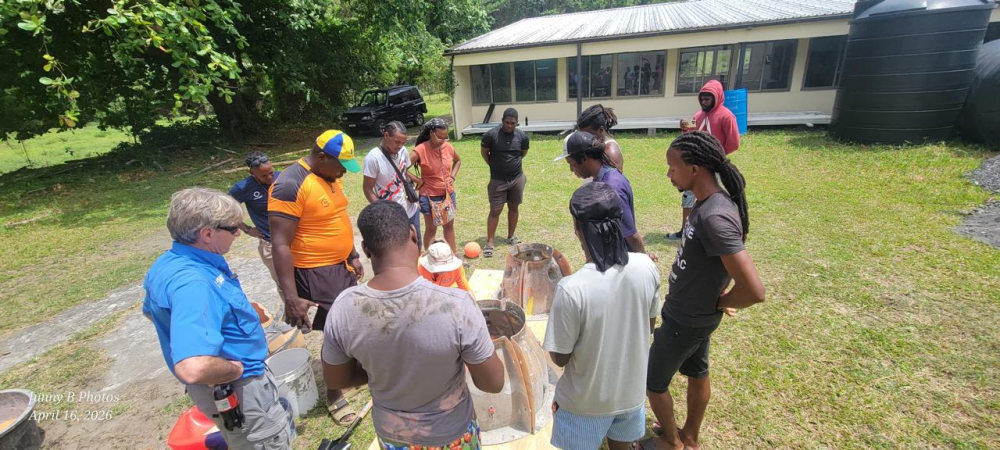
The Project MARS (Marine Aquatic Restoration Sustainability) Report 2026, prepared by local marine conservationists, outlines an ambitious community-led initiative aimed at restoring coral reefs, strengthening fisheries and protecting the island’s coastal ecosystems through science-based conservation and community partnerships.
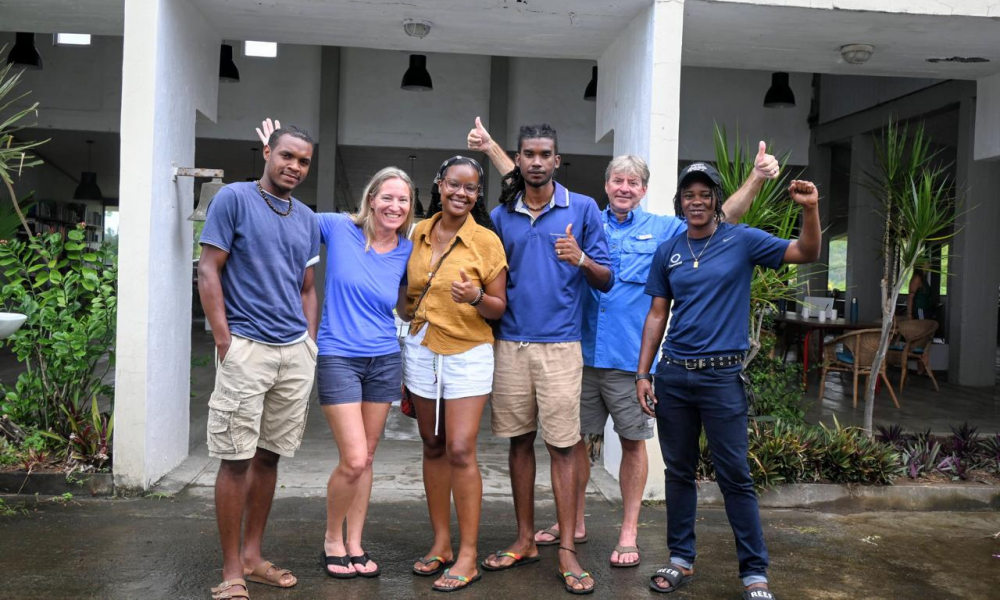
The report comes at a time when residents of Anse La Raye continue to oppose the proposed quarry development at Anse Cochon, arguing that increased sediment runoff, habitat destruction and coastal degradation could severely damage marine life in one of the island’s most ecologically sensitive areas.
According to the report, Saint Lucia’s marine environment is already under significant pressure from climate change, pollution, declining water quality, coastal development and unsustainable human activities. It warns that deteriorating coral reefs threaten biodiversity, fish populations, tourism and the resilience of coastal communities that depend on healthy marine ecosystems.
Project MARS notes that while its primary focus is marine restoration, the health of the sea cannot be separated from activities taking place on land. “Rivers, forests, wetlands, watersheds and coastal ecosystems function as interconnected systems,” the report states, adding that activities occurring inland inevitably affect coastal waters downstream.
The document specifically identifies quarrying as one of the most significant yet often overlooked contributors to watershed degradation and declining coastal ecosystem health. It points out that Anse La Raye has already experienced considerable landscape transformation due to quarry development, with several quarries operating within or near the community. The report says proposals for additional quarrying have generated concern among residents because of their potential environmental and social impacts, particularly where valuable ecosystems such as mangroves and freshwater resources are involved.
Those findings mirror the concerns surrounding the proposed quarry at Anse Cochon, where residents have consistently argued that excavation activities would increase sedimentation into the sea, smother coral reefs, damage fish habitats and threaten the area’s biodiversity. Community members also fear long-term impacts on fishing, diving and tourism, industries that rely on healthy marine ecosystems.
Project MARS acknowledges that mineral resources play an important role in national development but stresses that economic progress must be balanced with environmental stewardship.
The report recommends that Saint Lucia adopt a comprehensive national policy requiring all existing and future quarry operations to incorporate mandatory environmental rehabilitation and regenerative land management throughout the life of each quarry and after extraction activities end.
The initiative itself seeks to combat marine degradation through the deployment of internationally recognised Reef Ball technology to restore damaged coral habitats, improve biodiversity, enhance fisheries and strengthen coastal resilience. It also focuses on scientific monitoring, environmental education and community engagement as part of a long-term strategy for marine conservation.
Project MARS recently achieved a major milestone when four members of its team became Saint Lucia’s first locally trained and certified Reef Ball practitioners following specialised training in St. Vincent and the Grenadines. The project has also established partnerships with the Ministry responsible for Fisheries, the Saint Lucia National Conservation Fund, Pelican Tours and the international Reef Ball Foundation to support restoration efforts.
Ultimately, the report argues that protecting marine ecosystems is not simply an environmental issue but an economic and social necessity. “Project MARS is not simply restoring coral reefs; it is helping to restore hope,” the report concludes, describing healthy reefs as essential for fisheries, tourism, shoreline protection and the future prosperity of coastal communities.
For residents opposing the proposed Anse Cochon quarry, the report provides scientific context for concerns they have raised throughout the planning process, that protecting Saint Lucia’s marine environment requires careful consideration of how land-based developments can affect the sea, and that once coral reefs and marine habitats are damaged, recovery can take decades, if it occurs at all.