


As the Atlantic hurricane season gets underway, Saint Lucia has unveiled a pioneering strategy to safeguard its marine ecosystem. The island has officially introduced the Saint Lucia Coral Reef Response System. This program combines specialized underwater strike teams with tailored climate finance to shield coastal environments from catastrophic storm damage. The initiative is part of a broader regional push titled “Strengthening Reef Resilience to Hurricanes in the Caribbean,” which is managed by the Caribbean Biodiversity Fund through its Reef Resilience and Risk Financing Mechanism initiative.
When a major hurricane hits, the destruction is not limited to land. Severe storms can smash coral structures, smother marine habitats in sediment, and litter the sea floor with debris. Because healthy coral ecosystems act as natural breakwaters, losing them leaves coastal populations highly vulnerable. The new system aims to directly protect the livelihoods of coastal communities, safeguards local food security by preserving vital fisheries, and maintains the natural coastal protection that reduces the impact of storm surges and erosion. Historically, a lack of immediate funding and organized personnel meant damaged reefs were left to degrade. However, this system ensures that help is positioned before a disaster strikes.
At the centre of the financial strategy is a custom parametric insurance mechanism. Unlike traditional insurance policies that require months of manual damage assessments, parametric insurance pays out instantly when a storm hits specific, predetermined thresholds like wind speed or trajectory. Designed with technical guidance from risk-management firm Willis Towers Watson and the MAR Fund, the policy is structured for maximum efficiency. The regional insurance policy is held by the Caribbean Biodiversity Fund and triggers payouts strictly for storms powerful enough to cause real reef damage, with funding amounts mathematically aligned with local cost assessments to ensure the money released matches exactly what regional teams can realistically absorb and deploy.
At the domestic level, the Saint Lucia National Conservation Fund will manage the incoming funds and direct them straight to field operations. According to Craig Henry, the chief executive officer of the fund, this initiative is both innovative and timely given that the island is now at the official start of the hurricane season. The program also works closely with national conservation trust funds across other participating nations, including Jamaica, the Dominican Republic, and St. Vincent and the Grenadines, to coordinate local reef response teams and manage funds across the region.
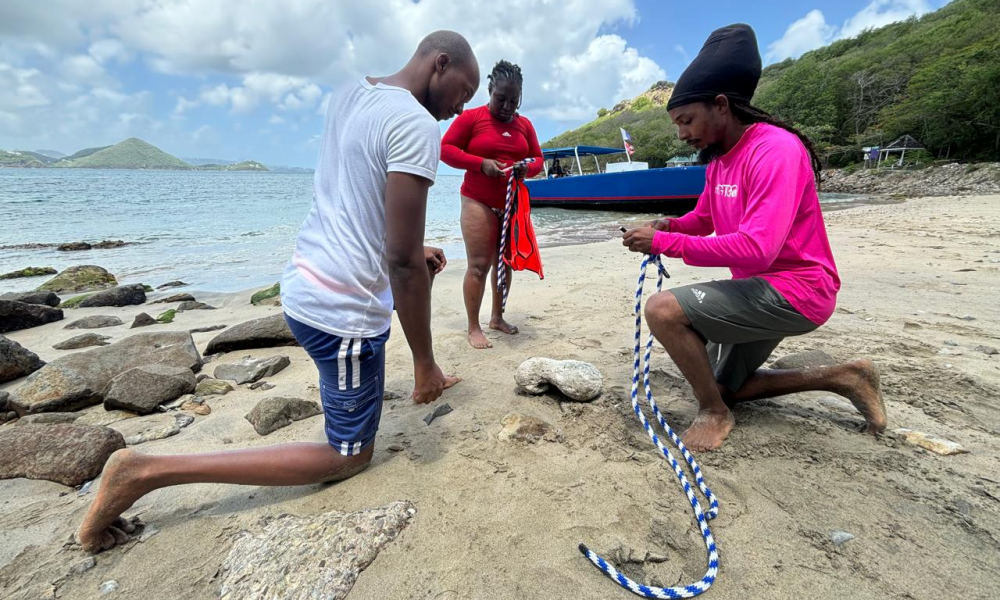
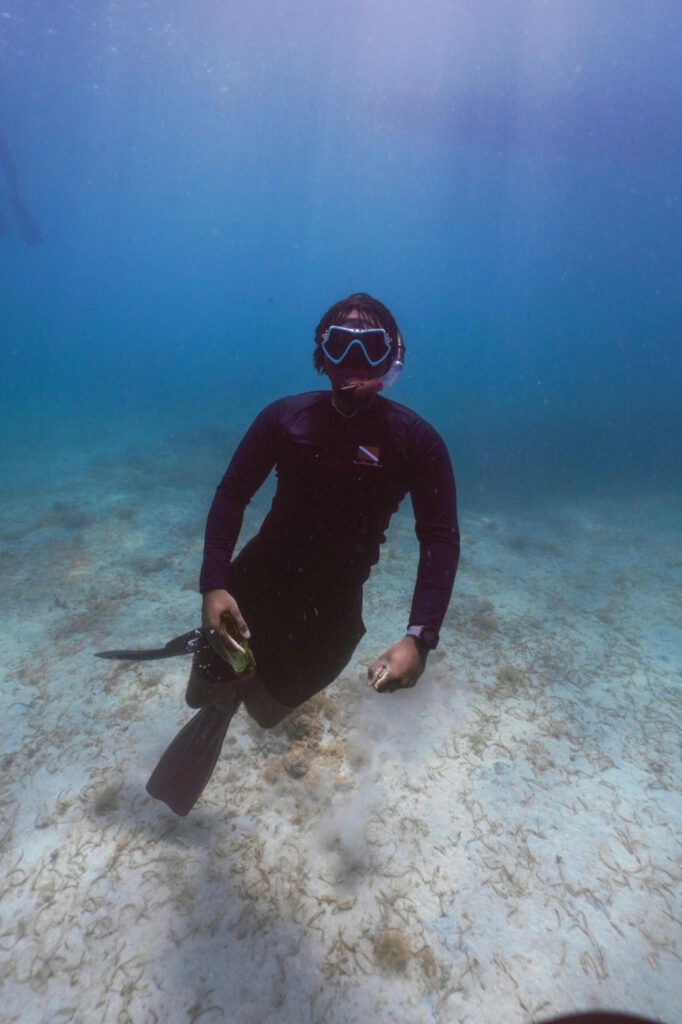
As such Saint Lucia started training its first ever Coral Reef Response Brigades. A cohort of twenty local divers, including professional free divers, scuba enthusiasts, and marine workers from across the island are participating in an intensive in person training program. This certified curriculum blends classroom theory with hands on underwater tutoring experiences designed to provide the necessary skills to support immediate response and recovery activities.
Once deployed, these specialized brigades will focus on assessing underwater reef damage, utilizing safe techniques to remove heavy marine debris, stabilizing fractured reef structures, and supporting early restoration efforts. By matching immediate cash payouts with pre-trained, localized diving units, Saint Lucia can deploy its marine first responders within days of a storm passing. This rapid mobilization gives the damaged reefs their absolute best chance of recovery before delayed response times lead to permanent ecological loss.