


Healthcare for more than 500 inmates at the Bordelais Correctional Facility (BCF) is getting a major upgrade with the opening of a new medical unit designed to bring more treatment behind prison walls and reduce transfers to public hospitals.
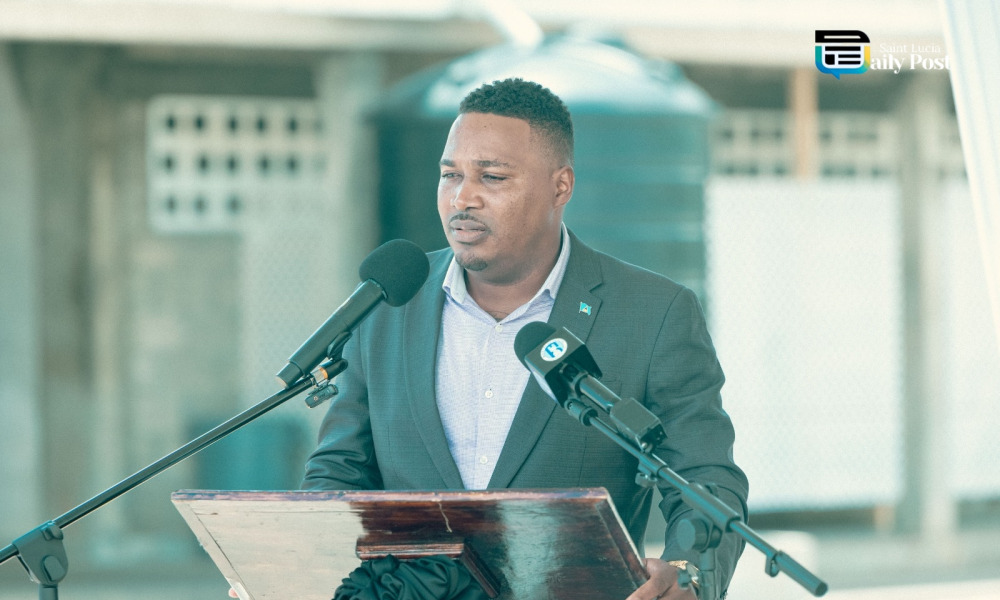
Established through collaboration between the Ministry of Health, Wellness and Nutrition and the Ministry of Home Affairs, the facility will provide primary and emergency care, chronic disease management, mental health support, dental treatment and specialist services.
The investment comes amid significant healthcare needs among BCF’s 546 inmates, who range in age from 17 to 70.
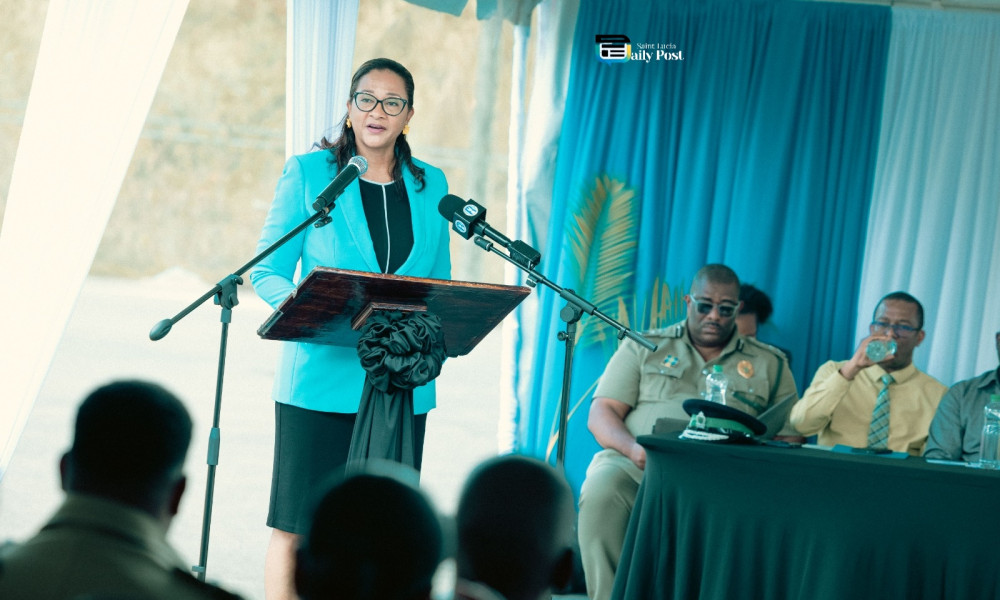
Chief Medical Officer Dr Sharon Belmar-George revealed that more than 60 inmates are managed through the hypertension and diabetes clinic, over 20 receive asthma care and more than 65 have been diagnosed with psychiatric conditions.
Since January 2026, authorities have reintroduced or strengthened dermatology, gynaecology, ophthalmology, psychiatry, dental and sexual and reproductive health services. Internal medicine, adolescent health, on-site immunisation, nutrition support and health education have also been added.
The upgraded facility includes a nursing station, treatment room, asthma bay, state-of-the-art dental unit, two consultation rooms — including one equipped for gynaecological care — a sterilisation room, isolation and observation cells and workspaces for medical, correctional and administrative personnel.
Belmar-George described the clinic as “an expansion of primary care within the community,” noting that the improvements were achieved without an increased budget by reorganising personnel and pooling resources between the two ministries.
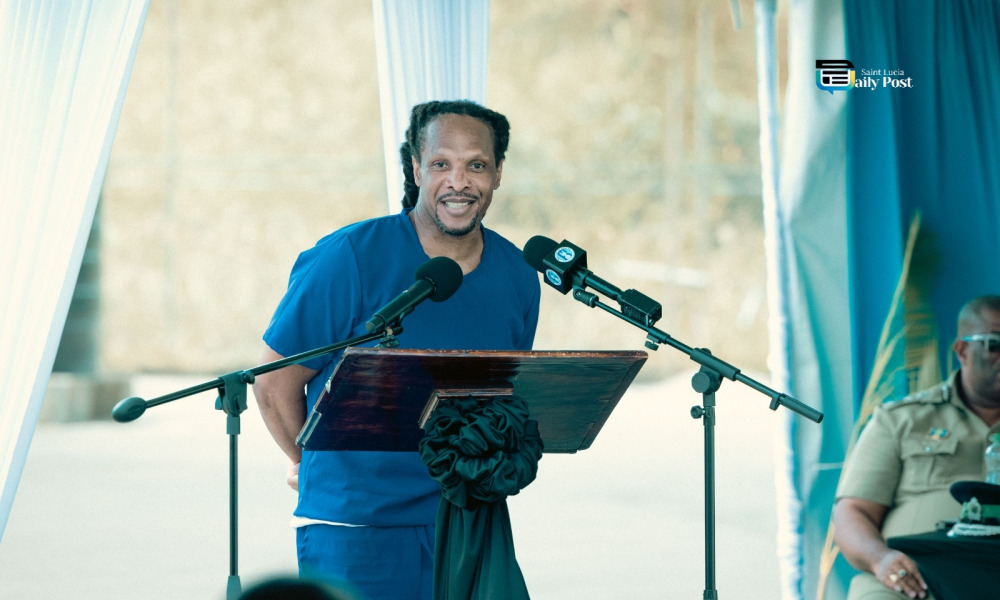
The unit will also use the national Health Management Information System, giving clinicians access to inmates’ previous medical records and supporting continuity of care after their release.
Bringing more services directly into Bordelais is expected to reduce inmate transfers to Dennery Hospital, St Jude Hospital and the Millennium Heights Medical Complex. Such transfers require correctional officers to accompany and supervise inmates, pulling limited personnel away from the facility.
Acting Assistant Director Fortuna Collymore described the opening as a significant milestone for BCF, saying it strengthens the institution’s ability to meet inmates’ healthcare needs while providing medical and correctional personnel with a more appropriate environment in which to work.
Director of Corrections Kerwin Albert said timely healthcare within a correctional environment had long presented challenges, stressing that the development was about more than a new building. He described it as recognition that “health is indeed a right” and that rehabilitation must address the whole person.
Home Affairs Minister Jeremiah Norbert said the initiative also reflects a wider effort to ensure incarceration provides inmates with opportunities to prepare for life after prison. “It cannot be that somebody comes here, spends seven years, and leaves the walls of the Bordelais Correctional Facility without basic literacy and numeracy skills,” Norbert said, arguing that inmates should be better equipped to reintegrate into society.
Approximately 40 to 50 inmates are enrolled in an automotive mechanics programme, while others are receiving electrical training intended to provide marketable skills and reduce the likelihood of reoffending.
Prime Minister Philip J. Pierre said improving conditions at Bordelais forms part of the Government’s responsibility to all citizens, including those incarcerated, but stressed that access to healthcare, education and vocational opportunities must be accompanied by personal responsibility.
“My job is not to feel sorry for you,” Pierre told inmates, explaining that government’s role is to use available resources to provide opportunities that can improve their lives and those of their families. He urged inmates to make productive use of those opportunities and prepare themselves for their eventual return to society, telling them that “when you leave, you must leave better than you came in.”
Operational and administrative responsibility for the medical unit has been assigned to the Ministry of Health, with care provided by qualified healthcare professionals under systems aligned with national health policies. Officials toured the new unit following the opening ceremony, viewing the treatment areas and expanded services now available to inmates.