


Reverend Jesse Louis Jackson, one of the most prominent and enduring figures of the American civil rights movement, has died at the age of 84. Jackson passed away peacefully at his home in Chicago, surrounded by family, according to a statement released Tuesday.
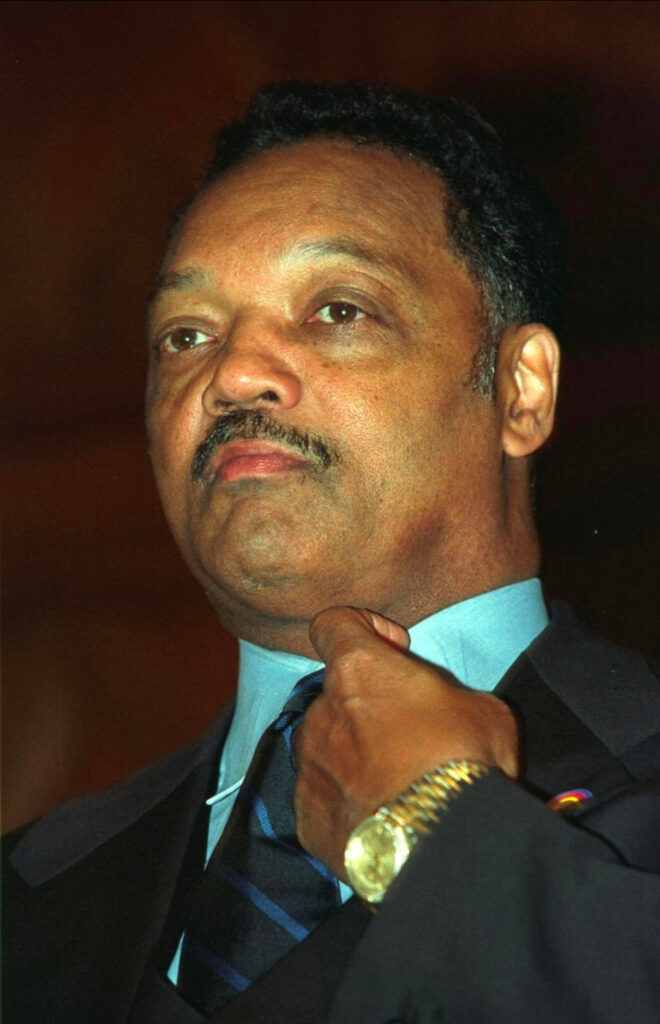
Born on October 8, 1941, in Greenville, South Carolina, Jackson rose from humble beginnings in the segregated American South to become a global advocate for racial equality, economic justice, and political empowerment. A close associate of Dr. Martin Luther King Jr., Jackson played an active role in the civil rights campaigns of the 1960s and was in Memphis in 1968 during the period surrounding King’s assassination, a moment that profoundly shaped his future leadership.
In the decades that followed, Jackson founded Operation PUSH (People United to Save Humanity) and later the Rainbow Coalition, organizations that championed voter registration, economic opportunity, education access, and corporate accountability. These efforts later merged into the Rainbow PUSH Coalition, headquartered in Chicago, which became a powerful platform for advancing minority rights and social justice initiatives.
Jackson also broke political barriers, mounting historic campaigns for the Democratic presidential nomination in 1984 and 1988. His 1988 bid, in particular, marked a turning point in American politics, as he won multiple state primaries and caucuses and expanded the political coalition of minority, working-class, and progressive voters. His campaign slogan, “Keep hope alive,” became a defining rallying cry for a generation.
Beyond domestic politics, Jackson served in diplomatic roles, negotiating the release of American hostages abroad and engaging in international human rights advocacy. In recognition of his decades of service, he was awarded the Presidential Medal of Freedom in 2000.
In recent years, Jackson faced significant health challenges, including a diagnosis of Parkinson’s disease in 2017 and later complications related to a rare neurological disorder. Though his public appearances became less frequent, he remained a revered elder statesman in the fight for civil and human rights.
He is survived by his wife, Jacqueline Jackson, his children, grandchildren, and a broad community of supporters and activists whose lives were shaped by his work. Tributes have poured in from political leaders, clergy, and civil rights organizations across the United States and around the world, honoring a man whose voice, activism, and resilience helped redefine the landscape of American democracy.